
Case Studies
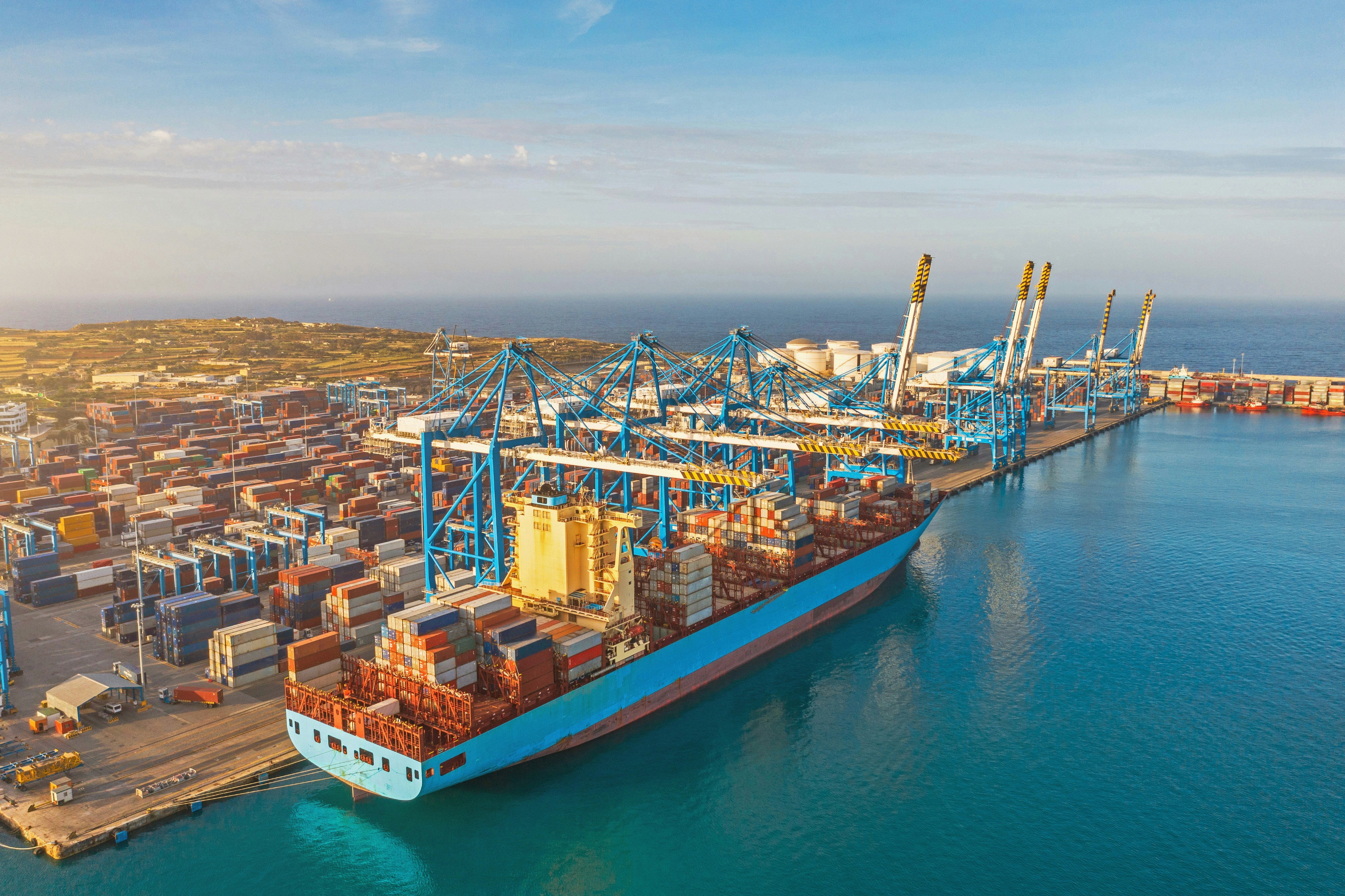
The shipper operated under a strict just-in-time manufacturing model.
There was no warehouse capacity to store completed bundles while awaiting final production.
Because the cargo was moving as breakbulk, vessel space had to be secured based on total volume — requiring precise alignment between final production and the vessel’s contracted arrival window (laycan).
If the vessel arrived too early, the cargo would not be ready.
If it arrived too late, cancellation rights, penalties, and demurrage exposure could follow.
Additional constraints included:
No covered storage is available at the port terminal
Over 50 bundles of finished steel beams require environmental protection
Rainy-season conditions in that region of Europe
Strict vessel arrival deadlines tied to contractual performance
Failure to synchronize production, temporary storage, vessel scheduling, customs, and inland delivery would have resulted in financial exposure and potential cargo damage.
1. Vessel Space & Production Alignment
Our team monitored fabrication milestones closely to align final beam completion with the vessel’s contracted loading window — securing space without unnecessary dwell time or penalty risk.
2. Temporary Covered Storage Solution
Because the terminal lacked covered storage, we worked directly with the port authorities to secure special approval for the temporary installation of an industrial tent on the terminal grounds.
Heavy-duty industrial tents were sourced and installed to protect over 50 bundles from moisture exposure during the staging period.
3. Trucking Synchronization
Truck deliveries were scheduled within the contracted vessel loading window to avoid congestion, minimize storage time, and eliminate penalty exposure.
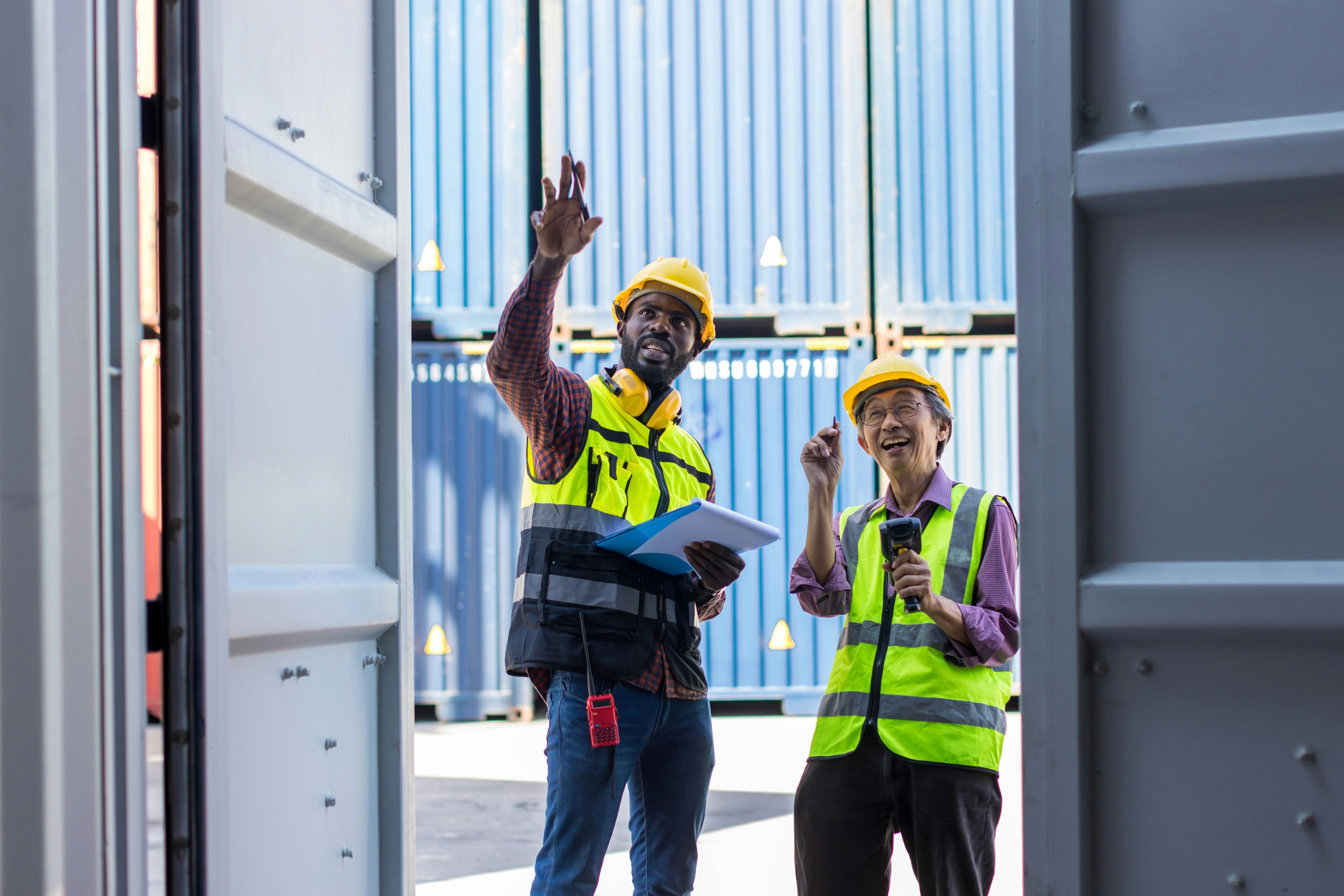
Before the vessel berthed, our team had already:
Confirmed stevedore availability
Secured trucking capacity
Negotiated over 30 days of free storage with the terminal
Aligned customs documentation to prevent clearance delays
Negotiating extended free time was critical. It provided flexibility to release materials in precise alignment with the General Contractor’s erection schedule — without exposing the project to storage penalties.